The metric saidit was free.A person saidit wasn’t.

Two art styles taught to Stable Diffusion with LoRA, and a blind test of what each one costs in drawing what was asked.

prompt 1 of 16“two warriors facing each other”
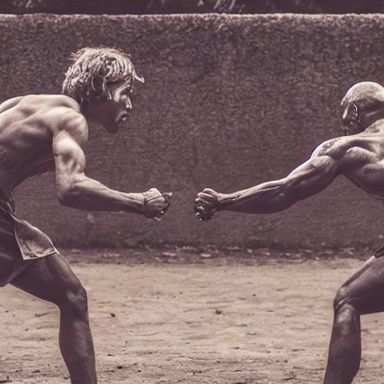
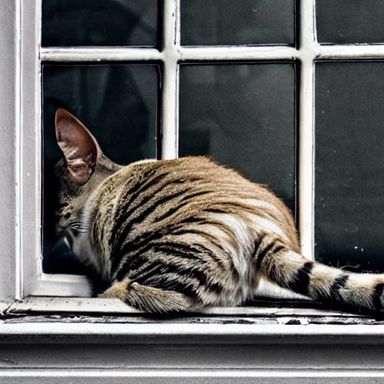
“two warriors facing each other”, base model
Base modelSD 1.5
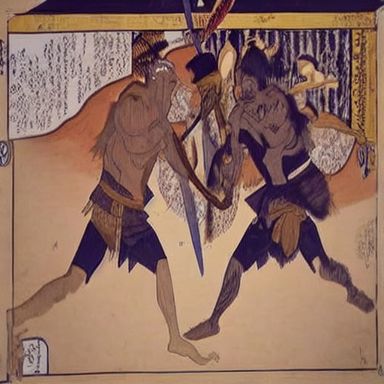
“two warriors facing each other”, ukiyo-e adapter
Ukiyo-e adapterstrength 1.2
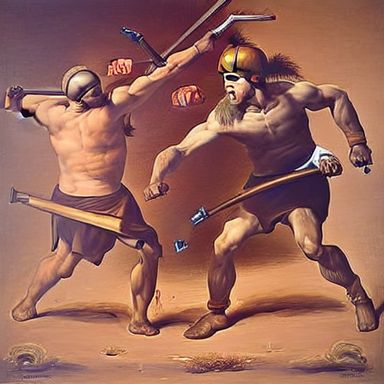
“two warriors facing each other”, baroque adapter
Baroque adapterstrength 1.5

How the two adapters were made

LoRA trains a small adapter on top of a model that stays frozen. Each style got its own adapter, trained on its own paintings, and the base model underneath never changed. So every picture can be drawn three ways from the same prompt and seed: plain, or through either adapter.
Stable Diffusion 1.5the base model
Ukiyo-e paintings40 images
LoRAsmall adapter, trained
SD 1.5 + Ukiyo-e LoRA
Style-learnt images
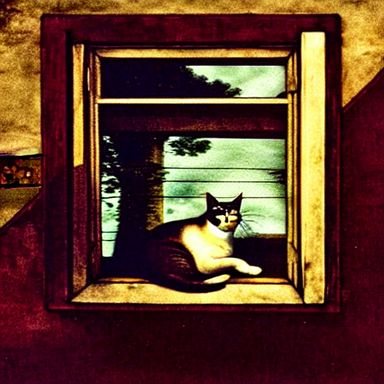
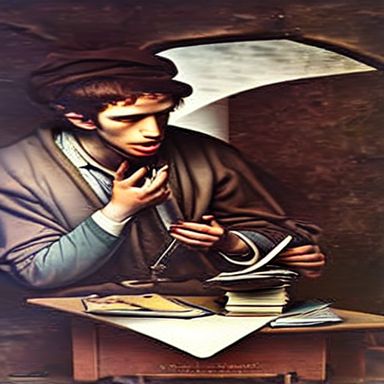
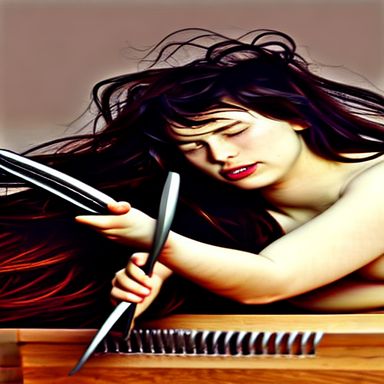
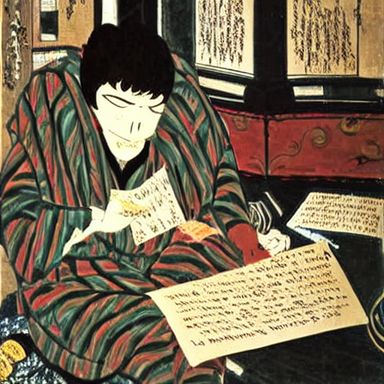
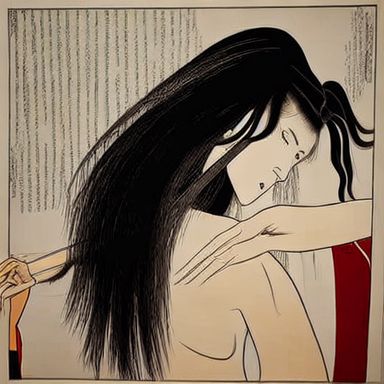
“a young man reading a letter”, Ukiyo-e adapter“a cat asleep on a windowsill”, Ukiyo-e adapter“a woman combing her long hair”, Ukiyo-e adapter
Baroque paintings40 images
LoRAsmall adapter, trained
SD 1.5 + Baroque LoRA
Style-learnt images
“a young man reading a letter”, Baroque adapter“a cat asleep on a windowsill”, Baroque adapter“a woman combing her long hair”, Baroque adapter

What came out

The styles were learned: a blind rater, scoring each picture on its own, with every prompt paired against the base model’s afterwards, saw the style come through almost every time. They also saw a cost: on average the pictures drew less of what was asked. CLIP’s prompt score, the usual automatic measure of that, showed no such cost at the lower strengths it was run at; it never saw these images.

The style came throughexamples: same prompt, the adapter's version

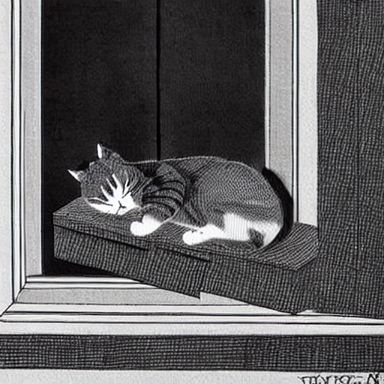
“a cat asleep on a windowsill” · Ukiyo-e
“a young man reading a letter” · Baroque
“a wave breaking against rocks” · Ukiyo-e

The subject sometimes slippedexamples: what the prompt asked for, drawn less faithfully

“a woman carrying water” · Baroque
“two people talking at a table” · Ukiyo-e
“a bowl and a knife on a wooden board” · Ukiyo-e

A blind rater saw both: the style, clearly, and a cost in drawing what was asked, which CLIP’s prompt score did not show at the lower strengths it measured.

The hero above shows every rated prompt. Click any example to compare it with the base model.

Where this stops

  • One rater. A second would close the largest gap in this result.
  • Sixteen prompts per source.
  • The two styles were shown at different strengths, 1.2 and 1.5, because that is where each looked right by eye. The test therefore judges two chosen operating points rather than two styles at one strength.
  • Both strengths are above 1.0, so part of the content cost is a consequence of that choice.
  • Forty training images per style. A rater comparing against real Ukiyo-e and real Baroque is comparing against something far out of reach of that.
  • The CLIP sweep used six prompts; the gate and the human rating used different, larger sets.

Every figure is in findings.json, with where it came from.